

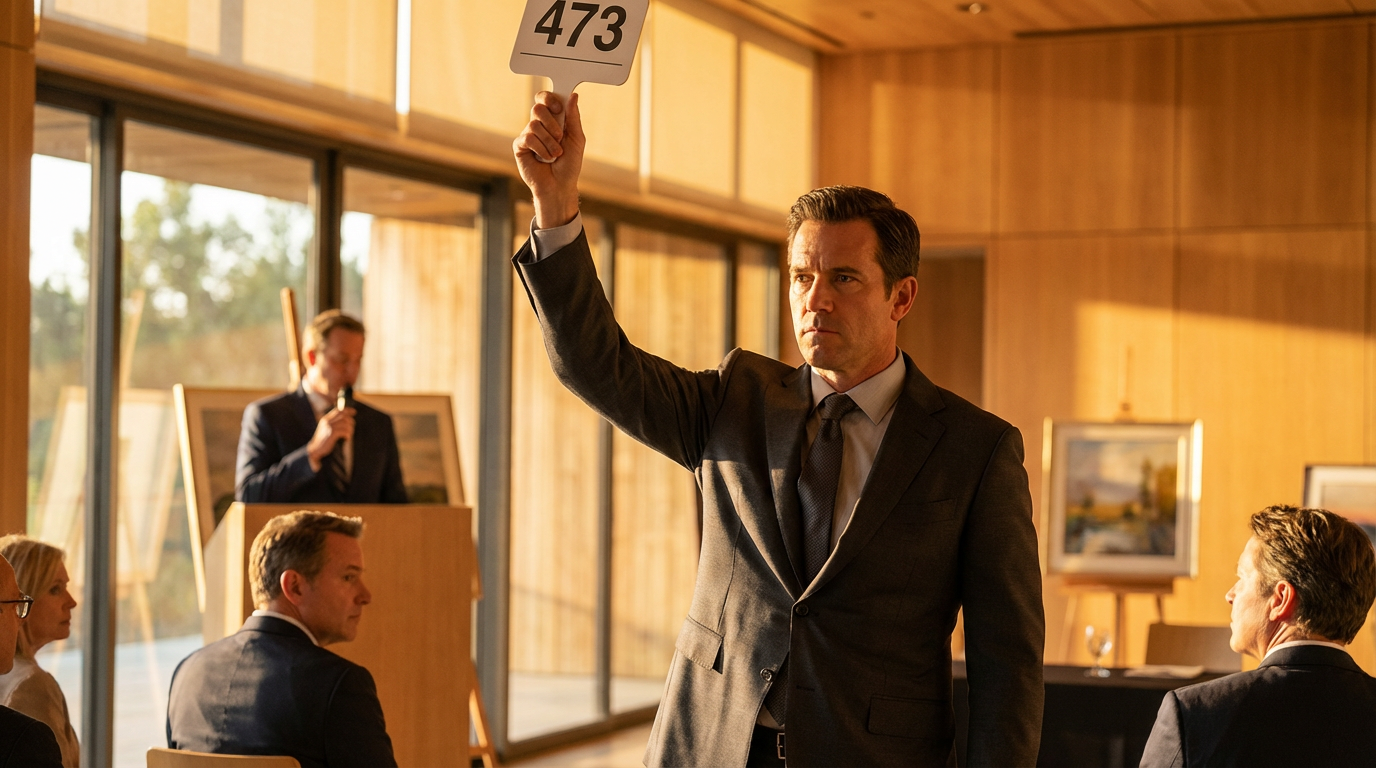
There’s something almost electric about that moment when you decide to place a bid. Whether it’s on a house, an online auction, a car, or a business deal, that tiny pause before you click or submit feels like standing on a cliff edge. You know what you want, but the question is simple:
How do we bid in a way that actually wins without overpaying, overthinking, or overstressing?
We’ve seen countless people jump into bidding with excitement, only to get steamrolled by hidden tactics, emotional pressure, or simply not knowing the rules of the game. So we built this resource to guide you through every angle of hoe bieden from strategy to psychology to practical, real-world moves.
This isn’t a stiff, lecture-style guide. It’s the version you’d get if you sat down with experts who’ve been in real negotiations, real bidding wars, real marketplaces. The stories, the examples, the mistakes we’ve lived them, refined them, and put them here for you.
The Real Meaning Behind “Hoe Bieden”
People often think bidding is just shouting out a number or typing in a price. But there’s a whole world happening behind the curtain.
Bidding is part strategy, part timing, part gut feeling.
It’s not just numbers it’s human behavior.
Sometimes the highest bid wins.
But not always.
Sometimes it’s the smartest bid.
Sometimes it’s the fastest.
Sometimes it’s the one that tells the seller: this person knows what they’re doing.
Understanding the Psychology Behind Bidding
There’s a quiet battle happening during every bidding process. And it usually starts in your own head.
Anchoring: The First Number Matters
Every seller sets an anchor price.
Every buyer tries to reset it.
If the asking price is €300,000 for a house, most buyers will hover around that mentally even if the real value is far off.
Understanding this simple trick helps you avoid being controlled.
Scarcity: “Only X People Are Bidding…”
Ever notice how auction platforms say things like 12 people are watching this item?
Or agents say there are multiple offers already?
Scarcity fuels urgency.
Urgency creates mistakes.
You don’t have to fall for it.
Emotional Overbidding
This kills more budgets than anything else. People get attached.
A dream house. A vintage car. A “must-have” item.
We tell clients:
If you already imagine yourself living there, driving it, or winning it—you’re vulnerable.
Stay sharp.
Types of Bidding: Each One Needs a Different Strategy
1. Open Bidding
Open bidding is transparent. Everyone sees the numbers.
Great for:
- Property auctions
- Online platforms
- Classic bidding rooms
Strategy here?
Stay quiet early.
Watch the rhythm.
Let others wear themselves out.
When the bidding slows, that’s your window.
2. Closed Bidding (Sealed Bids)
You get one chance. One number. No second try.
Used heavily in real estate and high-value deals.
The trick?
Find the sweet spot:
- High enough to stand out
- Low enough so you’re not paying more than necessary
Most people shoot too low or too high.
We aim for strategic precision data, logic, and a little intuition.
3. Automatic / Proxy Bidding
Think eBay-style systems.
You set your max.
The system bids on your behalf.
Most beginners fear setting a true maximum.
But smart bidders know that your max is your shield.
It keeps emotions out and strategy in.
4. Negotiated Bidding
This is where the dance begins.
Sometimes bidding isn’t a formal process it’s conversation-based.
Here, confidence wins.
Tone wins.
Knowing your facts wins.
You’re not just giving a number you’re giving a reason that number makes sense.
How to Prepare Before You Ever Bid
You wouldn’t walk into a boxing ring without training.
Bidding is the same.
Know the True Value
Not the asking price.
Not the emotional value.
Not what others say.
The true value.
Research:
- Market comparisons
- Previous sale history
- Expert estimates
- Demand trends
- Urgency of the seller
A well-informed bidder is practically unbeatable.
Set a Hard Limit
This is your life savings, your budget, your livelihood.
Not a suggestion.
A limit.
Write it down.
Commit to it.
If emotions push you past it, you stop.
Understand the Competitive Landscape
You’re not bidding alone. You’re bidding against mindsets:
- Risk-takers
- Emotional buyers
- Investors
- Impulsive players
- Overconfident amateurs
Each behaves differently.
Recognizing these patterns helps you exploit them.
Smart Tactics That Win More Bids
1. The Silence Strategy
Most bidders panic when the auctioneer asks for a response.
Know what wins sometimes?
Silence.
It unnerves others.
It gives you mental space.
It signals confidence.
Silent bidders often look stronger—even when they’re not.
2. Increment Tricks
Always bidding in round numbers is predictable.
Predictable gets beat.
Try odd increments:
- €1,250 instead of €1,200
- €301,500 instead of €300,000
It breaks psychological patterns.
3. Early Bid vs Late Bid Strategy
Early bidding claims territory.
Late bidding applies pressure.
Which one wins?
Depends on your goal.
For auctions with emotional buyers, late bidding works best.
For competitive markets with investors, early bids can scare others off.
4. The Power Bid
Sometimes you walk in with a number so solid, so confidently placed, that others step back.
A power bid isn’t just high.
It’s strategically bold.
Great for sealed bids or property deals.
Common Mistakes We See (And How to Avoid Them)
Overstretching the Budget
People think “it’s just a little more.”
That little more becomes too much.
Not Asking the Right Questions
Especially in real estate:
- Why is the seller moving?
- How long has it been listed?
- Are there other offers?
- What’s the deadline?
Information is leverage.
Showing Too Much Enthusiasm
Sellers can smell eagerness.
And when they do, your price ceiling rises instantly.
Believing Everything You’re Told
Agents, sellers, competitors—everyone has their angle.
Trust data, not claims.
Real-Life Scenario: The House That Had 14 Bidders
We once helped a buyer compete for a small home in a popular neighborhood.
14 bidders. Emotional chaos. Prices flying.
Everyone kept raising, raising, raising…
We stayed quiet.
Watched.
Read the pattern.
Near the end, most bids jumped in round numbers:
€320,000
€321,000
€325,000
We placed a single bid:
€323,750
Not the highest number just the smartest.
We won.
By understanding human patterns, you can win even when others seem stronger.
How to Stay Calm During High-Pressure Bidding
Calm wins.
Nerves lose.
Here’s how we teach people to stay sharp:
- Breathe before every bid
- Stick to your limit like glue
- Don’t watch others too intensely
- Treat it like a strategy game, not a life-or-death moment
- Use written notes to keep your thoughts clean
Winning bids often come from the person who stays collected when others lose control.
Online Bidding vs In-Person Bidding
Each has its own rules.
Online Bidding
Pros:
- Easier to stay anonymous
- No pressure from faces or reactions
- Systems protect your maximum
- You can bid from anywhere
Cons:
- Harder to read competitors
- Automated systems can be aggressive
In-Person Bidding
Pros:
- You can read the room
- Psychological tactics work better
- Human behavior becomes visible
Cons:
- Emotional pressure
- Split-second decisions
- Harder to stay objective
Both require different mindsets—but the core strategies remain the same.
Advanced Techniques for Experienced Bidders
Decoy Bidding Signals
Not lying—just not showing your cards.
Looking bored when you’re actually ready to strike.
Looking hesitant when you already know your max.
Your face becomes strategy.
Reverse Psychology Bidding
If someone seems attached, let them “feel like they’re winning” early.
Then take the real shot when fatigue sets in.
Momentum Control
Shift the pace of the bidding:
- Slow it when others get excited
- Speed it up when they get tired
Control the tempo, control the outcome.
When to Walk Away
A good bidder knows when to win.
A great bidder knows when not to play.
Walk away when:
- The value no longer matches the price
- Emotions take over
- Competitors get irrational
- Your limit is hit
- The seller manipulates the process
Walking away is sometimes the strongest move in the game.
Frequently Asked Questions About “Hoe Bieden”
Is it better to bid early or late?
Both styles work depending on the environment. Early bids show strength. Late bids apply pressure. The trick is knowing your competitors.
Can emotion help in bidding?
Only if it’s controlled. Too much emotion kills your strategy.
How do we know the right price to bid?
Use data, compare similar sales, study the market, and set a logical maximum.
Do sellers always pick the highest bid?
No. They choose the most secure bid financial stability, terms, and timing sometimes matter more.
How can we avoid overpaying?
Set a hard limit and stick to it like your life depends on it.
Final Thoughts
Bidding isn’t just a transaction it’s an art form.
A mix of logic, timing, patience, and understanding people.
When you master how to bid smartly, you stop playing the game and start controlling it.
And once you reach that level, winning becomes natural.
