

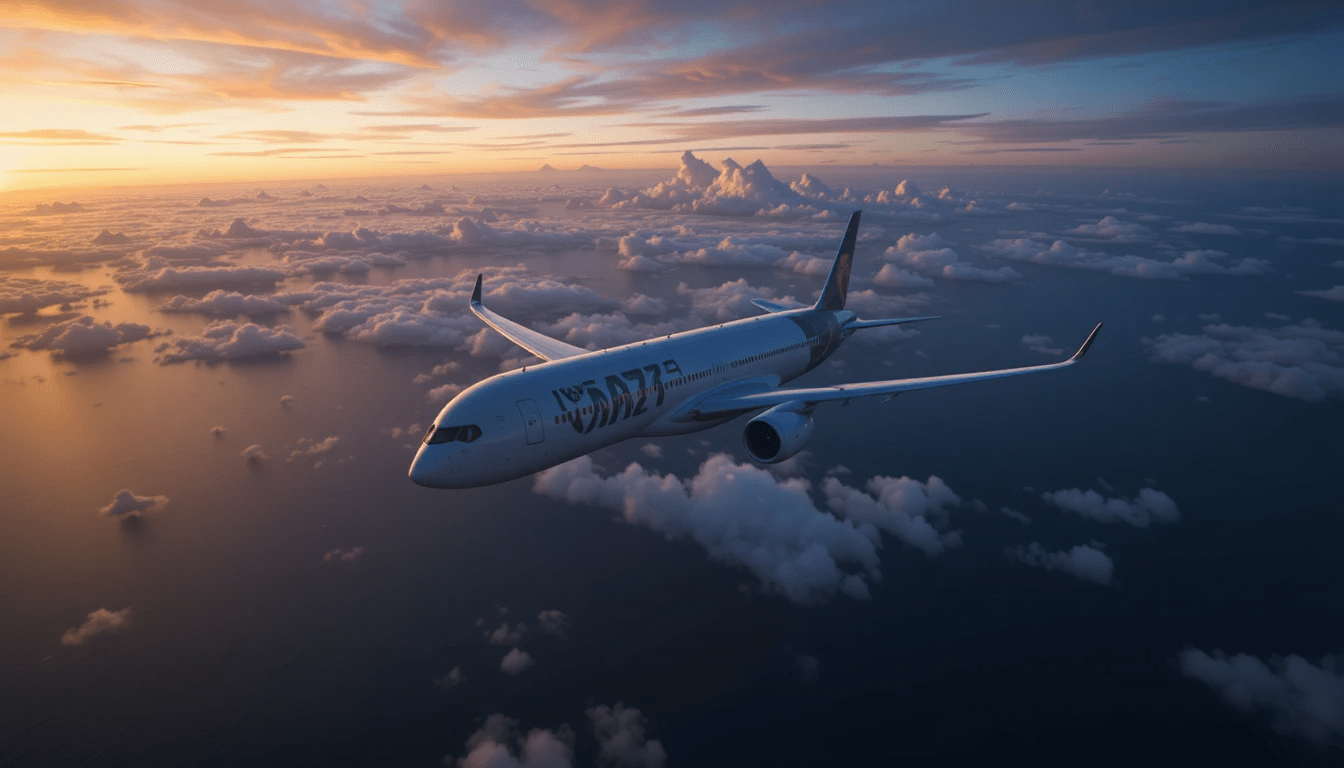
I was scrolling through flight trackers last week when I noticed something unusual. Delta Flight DL275, which usually cruises nonstop from Detroit to Tokyo Haneda, suddenly altered its path. The flight was diverting to Los Angeles International Airport. My first thought was, “Why would a plane halfway across the Pacific head back to the U.S.?” For the passengers onboard, the announcement must have been a jolt: uncertainty, worry, and mild panic rippled through the cabin.
“Delta Flight DL275 Diverted LAX due to technical issues,” the captain announced calmly. It was reassuring to hear, yet anxiety lingered. I’ve flown many long-haul trips, and I know that a sudden mid-air diversion can make even the most seasoned travelers uneasy. Diversions like these are rare but a critical reminder of how carefully aviation safety works behind the scenes.
A Flight Like Any Other… Until It Wasn’t
Passengers were settling in for what they thought would be a routine 12-hour flight to Tokyo. Families adjusted their children’s seats, business travelers opened laptops, and others dozed off to movies or podcasts. Then came the announcement.
Delta Flight DL275 diverted LAX unexpectedly, turning a familiar route into a stressful scenario. Some passengers tried to peek outside the window, trying to spot anything unusual. The human reactions varied: a mix of curiosity, nervous glances at fellow travelers, and the silent acceptance that the captain’s judgment is paramount. For those onboard, moments like this aren’t just about inconvenience—they’re about trust and safety.
Delta Flight DL275 — Aircraft, Route, and Passengers
Delta Flight DL275 operates using the Airbus A350-900, a state-of-the-art long-haul aircraft known for its fuel efficiency and passenger comfort. The flight typically covers Detroit Metropolitan Airport (DTW) to Tokyo Haneda (HND) in roughly 12 hours.
On this particular day, the flight carried around 280 passengers, a mix of business travelers, families, and first-time flyers. The crew, trained for long-haul flights, was experienced and prepared for any scenario. Passengers probably had luggage, devices, and snacks stowed, expecting a smooth journey. But Delta Flight DL275 diverted LAX, and that expectation changed in a matter of minutes.
What Happened Mid-Air? The Trigger for Diversion
The technical issue involved the engine anti-ice system. This system prevents ice from forming inside the engines, which is especially critical at high altitudes over cold oceanic or polar regions. Ice accumulation can disrupt engine efficiency or, in rare cases, create serious mechanical risks.
Delta Flight DL275 diverted LAX as a precaution after the system flagged an alert. The pilots assessed the risk carefully. Ice formation at 35,000 feet, over the northern Pacific, is a genuine concern, and a diversion ensures safety far outweighs any schedule delay. Aviation experts consistently emphasize that these systems, while rarely problematic, are crucial for long-haul operations.
Timeline of Events — From Takeoff to LAX Landing
- Takeoff: The flight departed Detroit on schedule, ascending smoothly.
- Cruise Phase: Early hours were uneventful; passengers settled into their routines.
- System Alert: Roughly five hours into the flight, the anti-ice warning triggered.
- Decision Process: The cockpit crew communicated with Delta operations and ATC, evaluating the safest diversion point.
- Diversion Announcement: Passengers were informed of Delta Flight DL275 diverted LAX for safety reasons.
- Landing: After approximately five extra hours in the air, the flight touched down safely at LAX. Crew assisted passengers with onward travel arrangements.
The timeline shows that Delta Flight DL275 diverted LAX in a methodical, carefully managed process. Safety was the top priority at every stage.
Why LAX? Understanding Diversion Decisions
Choosing LAX was not arbitrary. It has:
- Runways capable of accommodating the Airbus A350-900
- Maintenance facilities to inspect any technical issues
- Passenger services for comfort during delays
Other airports along the route lacked these capabilities. The decision ensured that Delta Flight DL275 diverted LAX safely while minimizing risk to passengers. Human comfort was considered too: LAX has lounges, hotels, and ground support for travelers facing extended delays.
Aftermath — Passengers, Crew, and Aircraft
Passengers had to adjust to a new plan. Delta staff assisted with:
- Rebooking flights to Tokyo
- Meals and accommodations for those impacted
- Ground transportation and logistical support
Crew members ensured that safety inspections were completed immediately. The aircraft itself underwent maintenance checks before its next journey. Passengers may have felt anxious during the flight, but the successful landing demonstrated the effectiveness of aviation safety protocols.
Broader Aviation Context
Diversions like Delta Flight DL275 diverted LAX aren’t everyday occurrences, but they happen occasionally. Historical examples include flights rerouted due to ice-protection system alerts, engine warnings, or weather complications. These incidents illustrate how modern aviation blends technology, human expertise, and rigorous procedures to prevent disasters.
For long-haul flights over remote regions, preemptive diversions are standard practice. The key takeaway: the aircraft, the crew, and operational control work together to prioritize safety over schedules.
Lessons for Travelers
- Stay calm: Follow crew instructions—they’re trained for emergencies.
- Check airline apps: Real-time updates help manage expectations.
- Pack essentials in carry-on: Chargers, snacks, and medications are helpful during diversions.
- Understand the rationale: Diversions like Delta Flight DL275 diverted LAX are preventative, not mistakes.
Being mentally prepared for minor disruptions can reduce stress and make travel smoother.
Expert Insights
Aviation safety experts note that engine anti-ice systems are critical for flights over cold, oceanic routes. Any warning, no matter how small, prompts immediate action. Delta Flight DL275 diverted LAX because these redundancies exist to ensure passengers remain safe at all times.
FAQs
Q1: Why was Delta Flight DL275 diverted to LAX?
A1: A malfunction in the engine anti-ice system required a precautionary landing at LAX.
Q2: Were all passengers safe?
A2: Yes, the diversion ensured the safety of everyone onboard.
Q3: How long was the delay caused by the diversion?
A3: Approximately five hours from the flight’s original route deviation to landing at LAX.
Q4: How common are diversions for technical reasons?
A4: Rare, but standard aviation safety protocols mandate them when necessary.
Q5: What is an engine anti-ice system?
A5: It prevents ice formation inside engines at high altitudes, protecting performance and safety.
Final Thoughts
Delta Flight DL275 diverted LAX, inconveniencing passengers slightly but preventing potential risk. Safety remains the highest priority in aviation. Passengers may have experienced stress, but they landed safely, and the flight crew handled everything efficiently.
Sometimes, a flight diversion is more than just a detour—it’s a lifesaving decision. Delta Flight DL275 diverted LAX serves as a real-world reminder of the aviation industry’s commitment to passenger safety.
